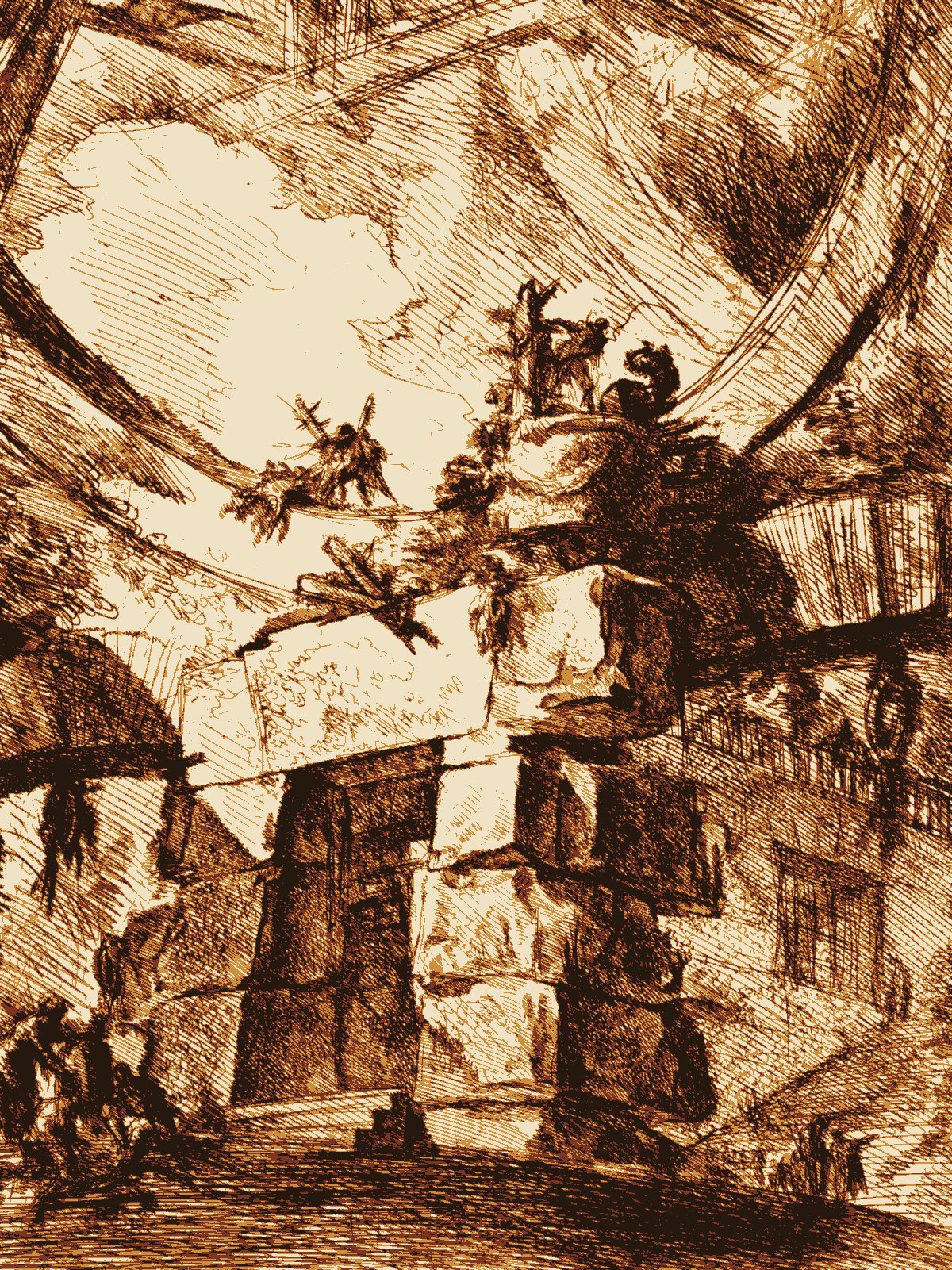
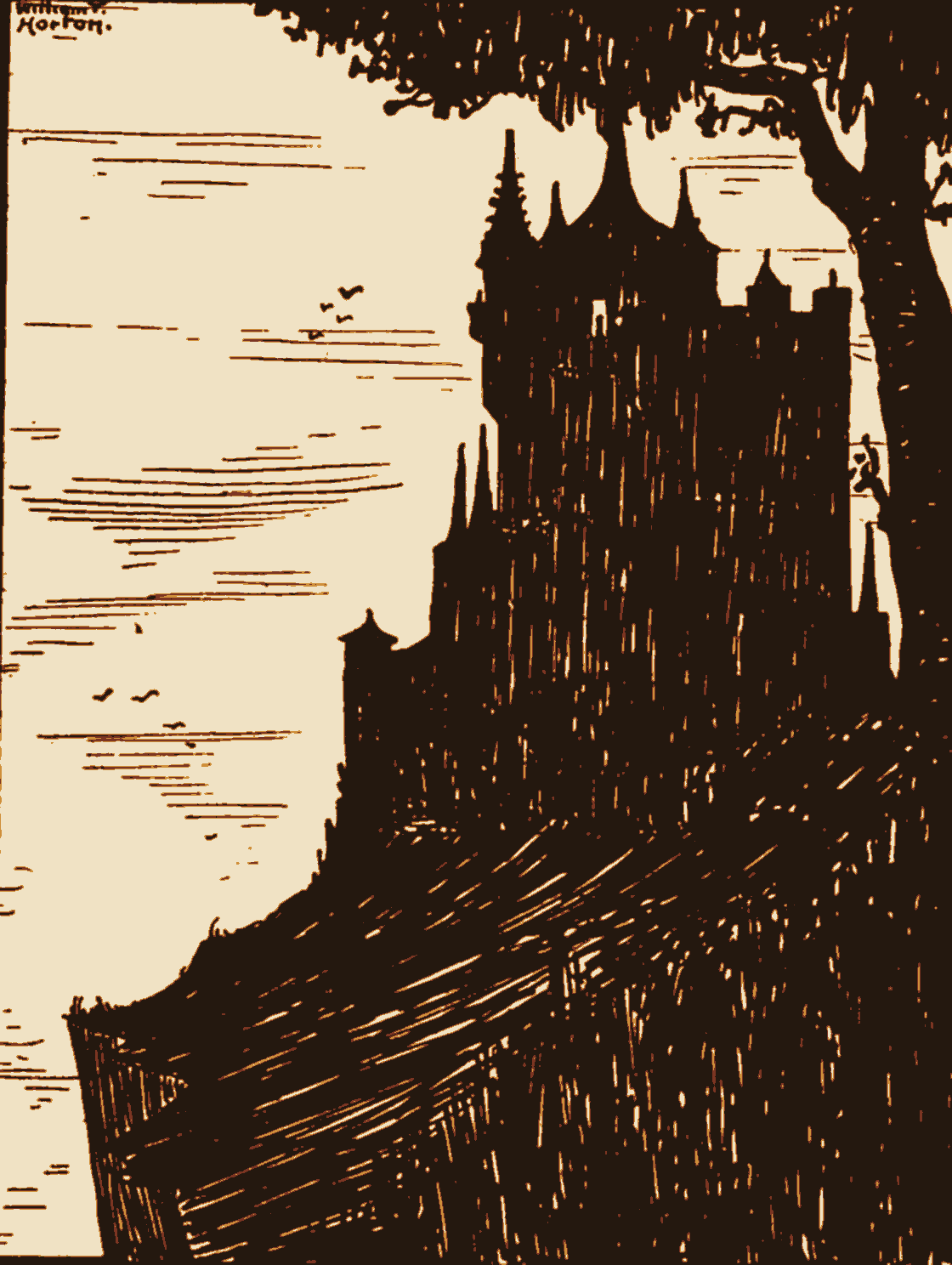
A new find as a gift: The Hidden Isle, from Sefirot, a role-playing game that replaces dice with a Tarot deck.
From their website:
“The Hidden Isle is a pen and paper RPG that uses Tarot cards instead of dice, set in the 16th century on the secretive island of Dioscoria. It focuses on roleplaying and collaborative storytelling. This is a game about swashbuckling adventures across Europe and the Middle East, stealing forbidden texts from oppressive regimes, protecting an island of outcasts using ancient magic, and toppling empires with just the right speech at just the right time.”
My youngest has been interested in incorporating a Tarot deck into an RPG system for some time now - we had a long conversation one time about how it could work with Mage: The Sorcerer’s Crusade, for example. It always felt unwieldy from a systems point of view (solvable with more time, no doubt) but there was also the fundamental question of whether randomness was the way to go. While it’s fine with rolling handfuls of d10’s or whatever, it felt strange to commit the results of magic (in the case of MTSC) to a card pull where so much would be predicated on the exact nature of the cards drawn. Each Tarot card isn’t just a number, it’s a whole mass of symbology, meaning and subjective interpretation. How to reflect that while also reconciling it with a success table?
The obvious answer is to build a system based on the concept of a deck from the ground up, rather than try and retro-fit it to something else, and focus on narrative over detailed rules. I look foward to finding out more.